
A bigger map and a longer checklist don’t automatically make a better game. Sometimes, the best thing an adventure can do is know when to end.
There’s a particular kind of game announcement that sounds suspiciously like being assigned homework.
An enormous world. Hundreds of activities. Enough content to keep you busy for months. Before you’ve seen whether moving the character around is any fun, someone has explained how much of your calendar they intend to occupy.
For some players, that’s wonderful news. A sprawling adventure can be exactly what you want: somewhere to settle in, learn its systems and spend an unreasonable amount of time choosing a coat.
But length has become an oddly convenient substitute for value. A game takes 100 hours, so it must offer more than one that takes ten. Bigger number, better purchase. Lovely. We’ve reduced an art form to a particularly depressing spreadsheet.
The trouble is that the hours aren’t interchangeable.
In this article
There’s a difference between wanting more and waiting for the end
A long game earns its length when it keeps giving you reasons to care.
That might mean combat that becomes more interesting as you learn it, characters whose relationships develop gradually, or a world that rewards wandering away from the obvious route. Spending another evening there feels like a choice.
Then there’s the other sort of length.
You understand the mechanics. You’ve seen the enemy types. The story seems ready to reach its conclusion, but somebody has put three regional errands between you and the next interesting thing.
You’re still playing, although enthusiasm has quietly given way to determination.
That’s the point where “there’s so much to do” stops sounding like a recommendation.
Optional content can be excellent, of course. The problem comes when the supposedly optional activities feel necessary to stay appropriately levelled, afford useful equipment or understand what’s happening. An enormous map is less exciting when it keeps sending you back to work.
PlayStation has plenty of reasons to embrace shorter games
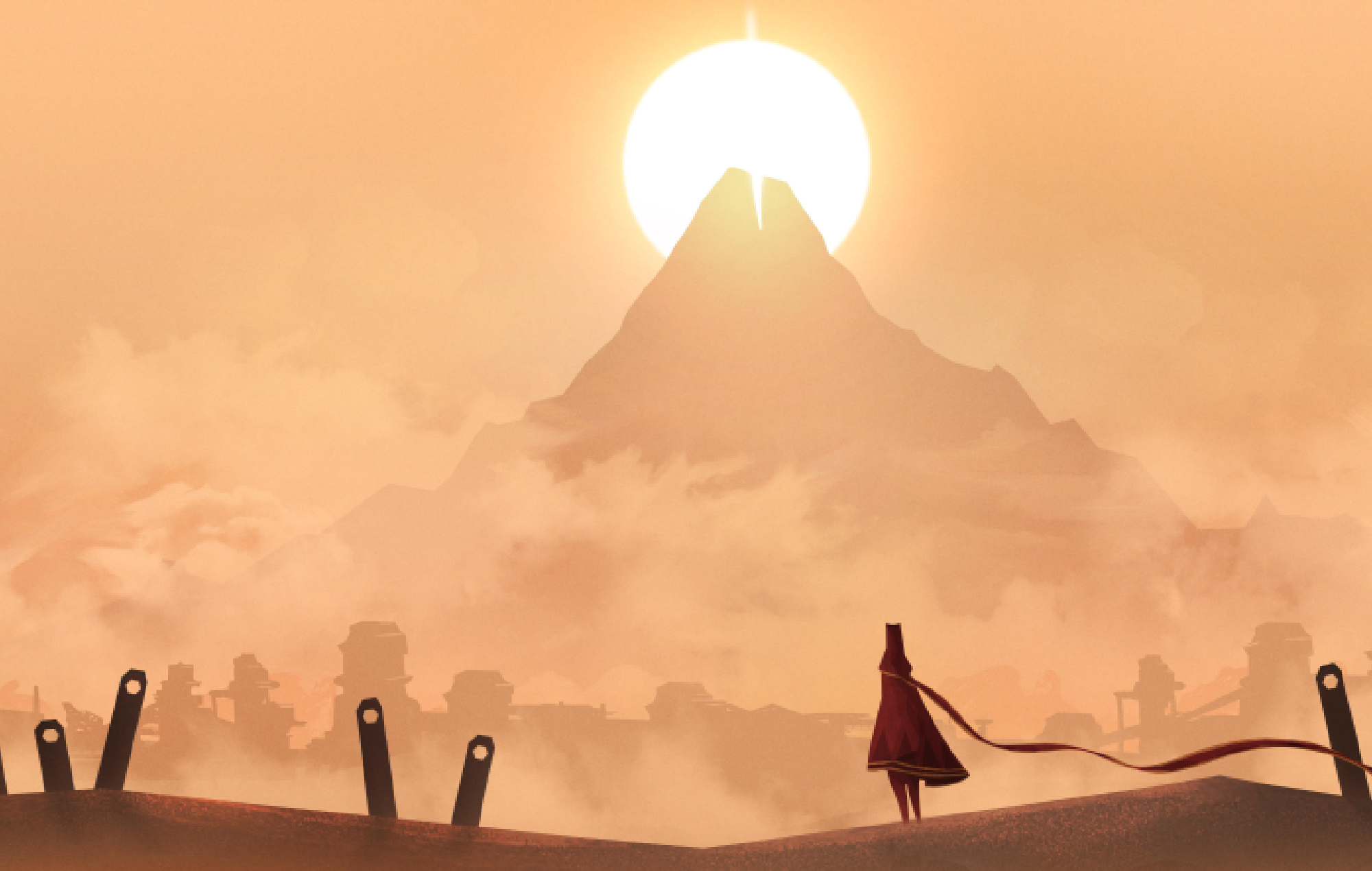
Consider Journey. Its journey towards a distant mountain gives it a clear direction, while movement, music and encounters with other travellers do the emotional work. The appeal would hardly be improved by adding six settlements with outstanding pest-control contracts.
Astro Bot offers a different example. Its individual stages and playful power-ups give it room to introduce an idea, explore it and move on. There’s pleasure in discovering what the next level will do, rather than wondering how many times the current trick can be repeated.
And Uncharted: The Lost Legacy gives Chloe Frazer the lead in an adventure of her own. It’s a useful reminder that a familiar series can change its focus without needing to become an endlessly expanding commitment.
These games have different ambitions. What matters is whether their structure supports those ambitions. A quiet adventure, a platformer and an action story shouldn’t all be expected to justify themselves using the same completion-time target.
Yes, price matters
It would be easy to wave away the value argument with a speech about artistic intent. It would also be a bit smug.
Games are expensive. If you can only buy a handful each year, wanting something that lasts is entirely reasonable. A game you enjoy for months can be a brilliant purchase.
But the useful word there is “enjoy”.
Ten hours of something you love can be worth more to you than 60 hours you spend vaguely hoping it will improve. Equally, a lengthy RPG that keeps surprising you might deliver both the memorable moments and the generous running time.
Length is useful buying information. It helps you judge whether a game fits your budget and your available time. It just can’t tell you how good those hours will be.
A review should explain what fills them.
Finishing a game should feel good
There’s satisfaction in reaching an ending while you still care about what happens.
You remember the characters. The controls haven’t fallen out of your head during a three-week break. You can appreciate the final stretch without first consulting a video explaining the plot you were following in April.
A manageable game also makes it easier to try something unfamiliar. Taking a chance on a genre is more inviting when the commitment fits into a few evenings.
That matters for anyone whose gaming time competes with work, family, friends and the tiresome discovery that dinner needs making again.
You shouldn’t need a clear fortnight and a domestic ceasefire to enjoy a complete story.
Let games finish
There will always be room for enormous games. Sometimes, losing yourself in one is the whole attraction.
There should also be room for a focused adventure that does what it came to do, delivers a proper ending and leaves you pleased you played it.
When the credits roll, wanting another hour can be a compliment. It means the game left something worth missing.
That’s a better feeling than looking at the map, seeing another 47 icons and wondering whether you could get away with watching the ending on YouTube.