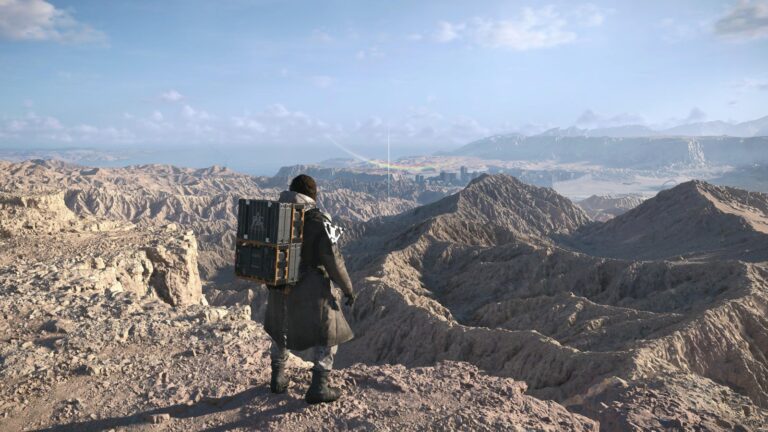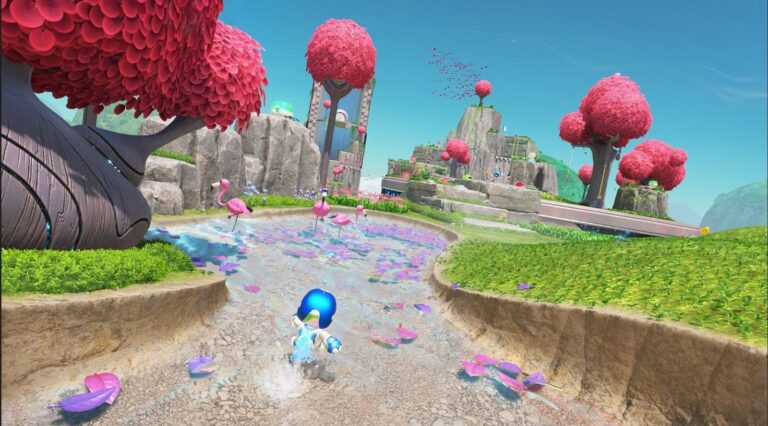

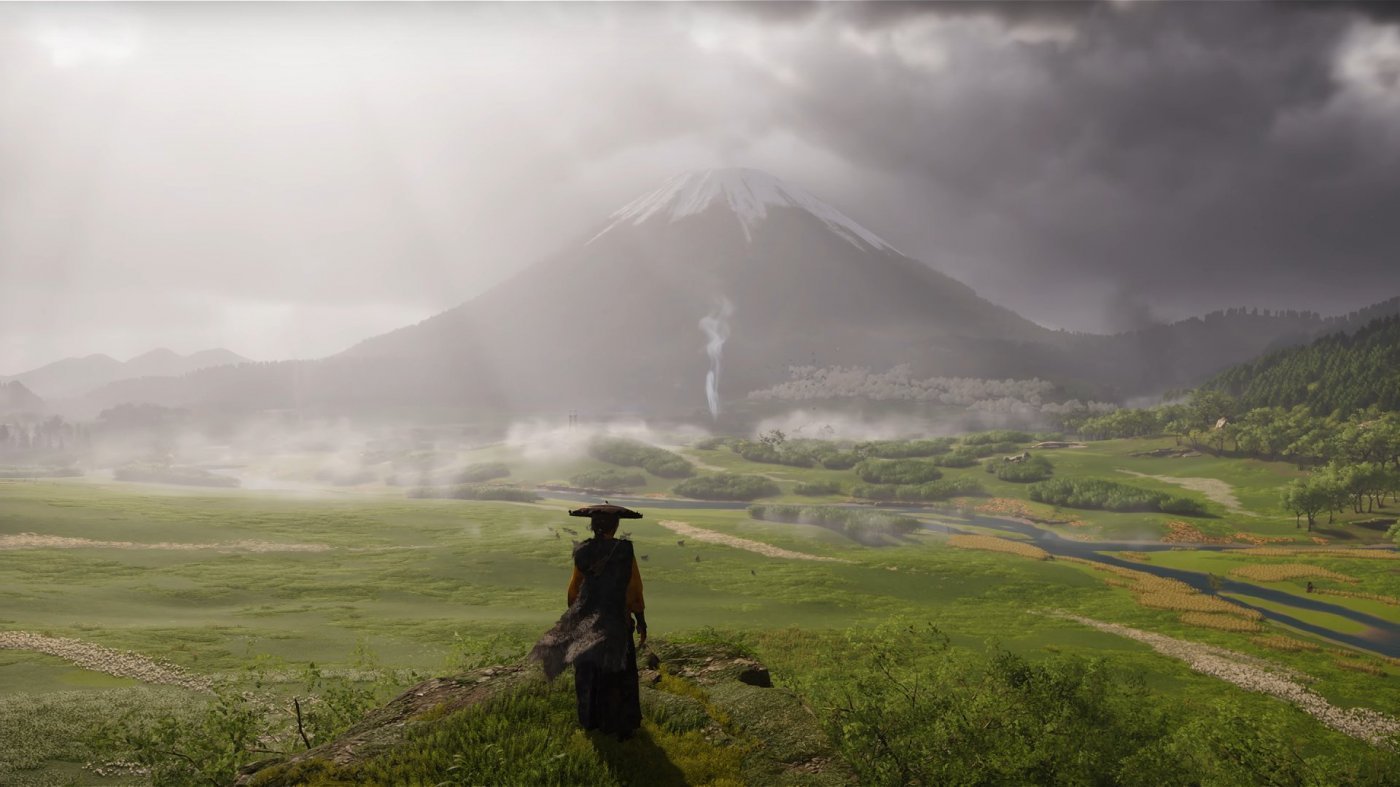
Open-world games can make surprisingly efficient workers of us. Open the map, choose an icon, follow the line. Arrive, finish the task, repeat. Before long, a beautiful place becomes a list of things to get through.
It’s a habit worth breaking. In a landscape like Ghost of Yōtei’s, there’s pleasure in choosing a direction simply because something catches your eye. A ridge, a patch of autumn colour, a path that disappears into the trees: none needs to promise a reward to be worth following.
In this feature
The case for going off the path
There’s a difference between clearing a map and getting to know a place. The first is measurable. The second is harder to put a percentage against: you remember the shape of a mountain, recognise a bend in a river, or start to navigate by something other than a waypoint.
That familiarity is one of the great rewards of spending time in a game world. It happens gradually, often in the stretches between the more dramatic moments. Taking a longer route gives those stretches a chance to become part of the story.
It also changes the questions you ask. Rather than “What do I unlock here?”, you start with “What’s over there?” It’s a small distinction, but it makes exploring feel like a choice again.
The best detour doesn’t need to lead to a better sword. Sometimes, a view is enough.
Let the quieter moments breathe
Not every minute needs a dramatic encounter. The contrast matters: the rush of a fight has more impact when the game also gives you room to slow down. A few minutes spent travelling, listening and watching can make the next burst of action feel sharper.
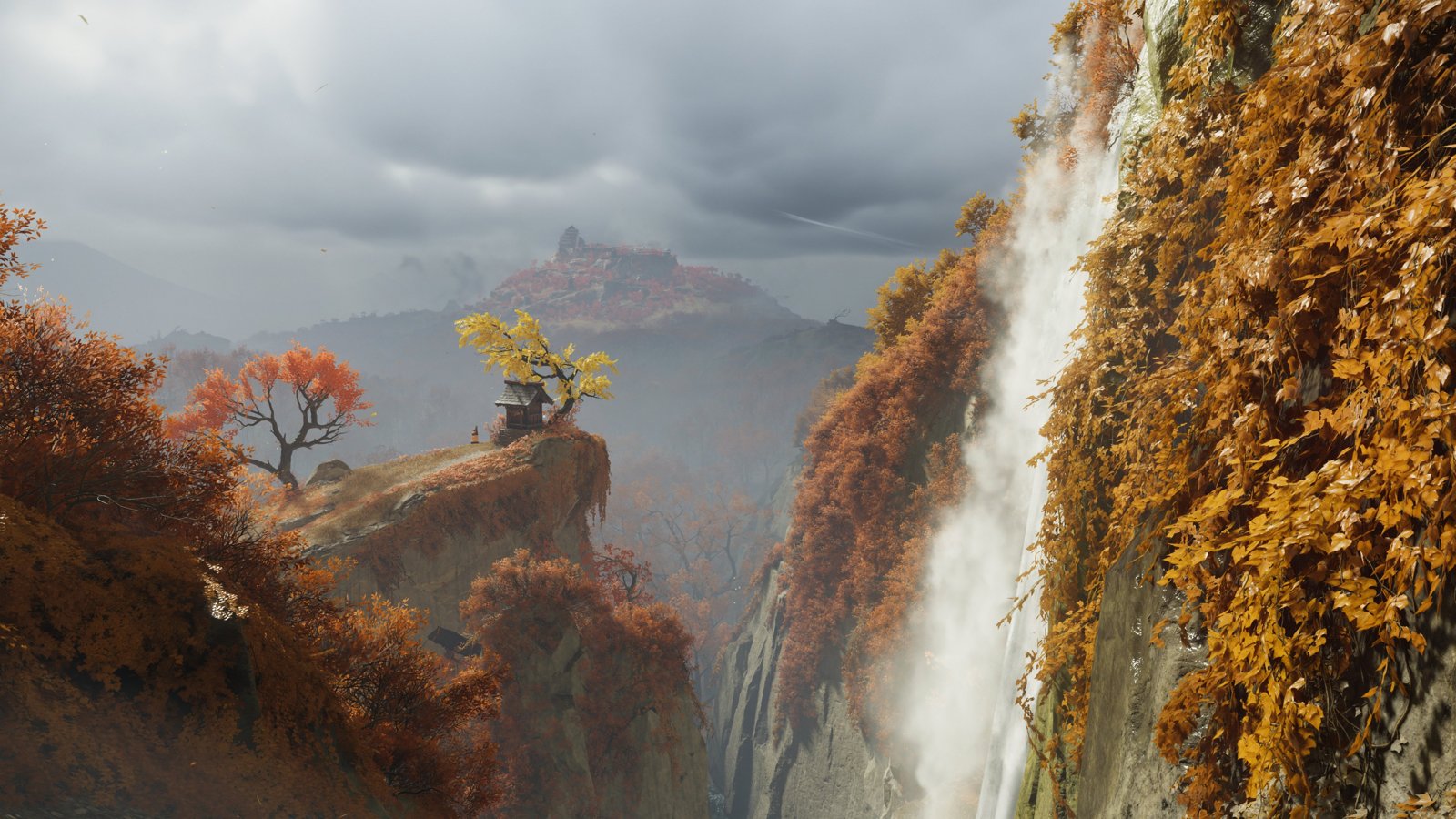
There’s a temptation to treat those quieter passages as the space between the interesting parts. But atmosphere is part of play, too. The light changing over a valley, the sound of water and the rhythm of moving through the landscape all help give a journey its character.
Photo mode can be a useful excuse to pause. Even without keeping the shot, looking for a composition makes you notice details you might otherwise ride straight past.
A world you can feel
For a PlayStation player, the controller is part of that relationship with a world. Good sound, considered feedback and responsive movement can make a simple journey more involving, without adding another marker to the screen.
It’s worth spending a moment with your own setup, too. Find a comfortable volume, choose the controller settings that suit you, and give the game a chance to hold your attention. More intensity isn’t always better; the right balance is the one that lets you settle into playing.
Make a little room to get lost
You don’t have to turn every session into a lengthy expedition. Sometimes it’s enough to set aside one objective and spend ten minutes following your curiosity. You can always return to the main path afterwards.
The point isn’t to play slowly on principle. It’s to leave room for a game to surprise you. Completion can wait. That view over the next ridge might be the thing you remember.
This is sample feature copy created to demonstrate the Hold R2 article template. It is not a published review or a claim of hands-on reporting.